
The Impact of Radon Well Installation on Industrial Operations
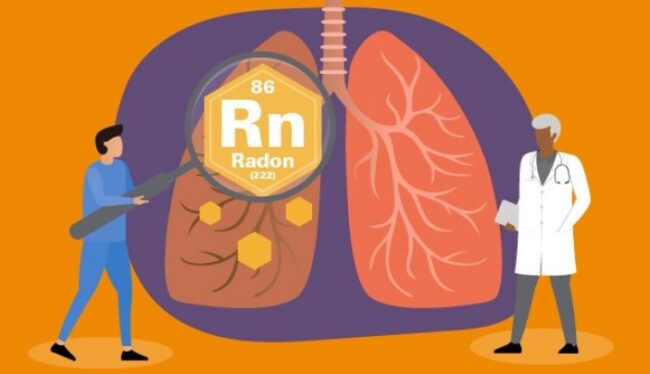
Radon is a naturally occurring, radioactive gas that can be found in the environment, including the air, soil, and water. In industrial settings, radon exposure is often a hidden risk that can negatively impact both worker safety and the long-term integrity of a facility. Installing radon wells is an essential step toward managing this threat, particularly in areas where high radon concentrations are common. A radon well is designed to extract radon gas from beneath the ground, preventing it from accumulating inside buildings and minimizing the risk of exposure to harmful levels of radiation. The installation of radon wells – radonbrønn i eldre hus typically involves drilling a borehole into the ground to access the areas where radon may be concentrated.
Once the well is installed, a ventilation system is used to safely divert the radon gas outside, ensuring that it does not enter the building. The importance of this process cannot be overstated, as prolonged exposure to high levels of radon is linked to serious health issues, including lung cancer. By proactively addressing this issue, industries can protect their employees and maintain compliance with health and safety regulations. The installation of radon wells not only helps mitigate health risks but also safeguards the long-term viability of industrial operations, creating a safer environment for both workers and visitors.
In addition to improving health and safety, the installation of radon wells has significant benefits for the overall functionality of industrial operations. When radon is not properly managed, it can cause significant damage to infrastructure over time. The presence of radon gas can lead to corrosion of metal surfaces, deterioration of concrete, and damage to equipment, which can be costly to repair and replace. By installing radon wells, industries can mitigate these risks, ensuring that their facilities remain in good condition and that operations continue smoothly without interruptions caused by radon-related issues. Furthermore, proper radon management helps industries demonstrate their commitment to environmental sustainability and worker well-being, which is increasingly important in today’s regulatory landscape.
Ultimately, the installation of radon wells is a critical investment in both safety and efficiency. It provides a straightforward solution to a potentially dangerous problem, helping industries reduce health risks, protect assets, and comply with regulations while fostering a healthier, safer work environment for all.